


Note: this is a first look based on Bambu Lab's specs and early community reaction, since the A2L only shipped on June 1, 2026. Pricing and availability change fast, so check the latest before you buy.
Bambu Lab just dropped a new machine, and it is a bit of a curveball: the A2L. It takes the cheap, friendly A-series everyone knows, makes it much bigger, keeps the price low, and then adds a twist nobody expected: it can also cut vinyl and draw. Here is what is actually new, whether it matters for you, and what a build plate that size does to your filament shelf.
What it is: a big A-series, at a small price
The headline is size. The A2L is an open-frame bedslinger with a 330 × 320 × 325 mm build volume, a big jump over the A1, and a lot of print for the money. Starting at $469 (around €379 in Europe), it is aimed squarely at makers who want larger prints without stepping up to a pricey enclosed machine.
Under the hood, it is quick and quiet: up to 500 mm/s, a hardened steel extruder gear and stainless nozzle, adaptive vibration compensation with built-in dampers, and noise under 49 dB in silent mode. It runs the everyday materials, PLA and PETG and similar, with nozzle temps up to 300C.
The twist: it also cuts and draws
This is the part that got people talking. Bambu sells an optional Blade Cutting Upgrade Kit (a cutting module, a pen module, a cutting mat, and accessories) that turns the A2L into a precision cutter for stickers, vinyl, leather and fabric, and a drawing plotter. One machine that 3D prints, cuts, and draws.
It leans into the "Creative Playground. Extra Large." pitch: a single, affordable device for makers and crafters who would otherwise buy a separate cutting machine.

Multicolor, if you want it
The A2L still plays in Bambu's multicolor world. The A2L Combo ($569) bundles an AMS Lite for automatic multi-color printing, and you can connect up to four AMS units plus one AMS Lite for serious color and material mixing. (If low-waste multicolor is your priority, it is worth reading our Snapmaker U1 review for the other side of that coin.)
One thing to plan for: multicolor on a plate this large compounds. An AMS purges at every color change, and a bigger plate usually means more parts and more transitions per job, so a large multicolor batch can eat a serious fraction of a spool before you have a finished part.
The specs that matter
| Spec | Bambu Lab A2L |
|---|---|
| Build volume | 330 × 320 × 325 mm |
| Nozzle / bed temp | up to 300C / 80C |
| Max speed | up to 500 mm/s |
| Noise (silent mode) | under 49 dB |
| Multicolor | up to 4 AMS + 1 AMS Lite |
| Bonus trick | Blade Cutting Kit, cut and draw |
| Price | $469 (A2L) / $569 (Combo) |
What a bigger plate does to your filament habits
Filament consumption does not go up a little when you go large. Volume scales with the cube of size, so a model printed 30 percent bigger in every direction uses roughly twice the plastic. Fill a 330mm plate instead of a 220mm one and a spool that used to last a week is gone in two days.
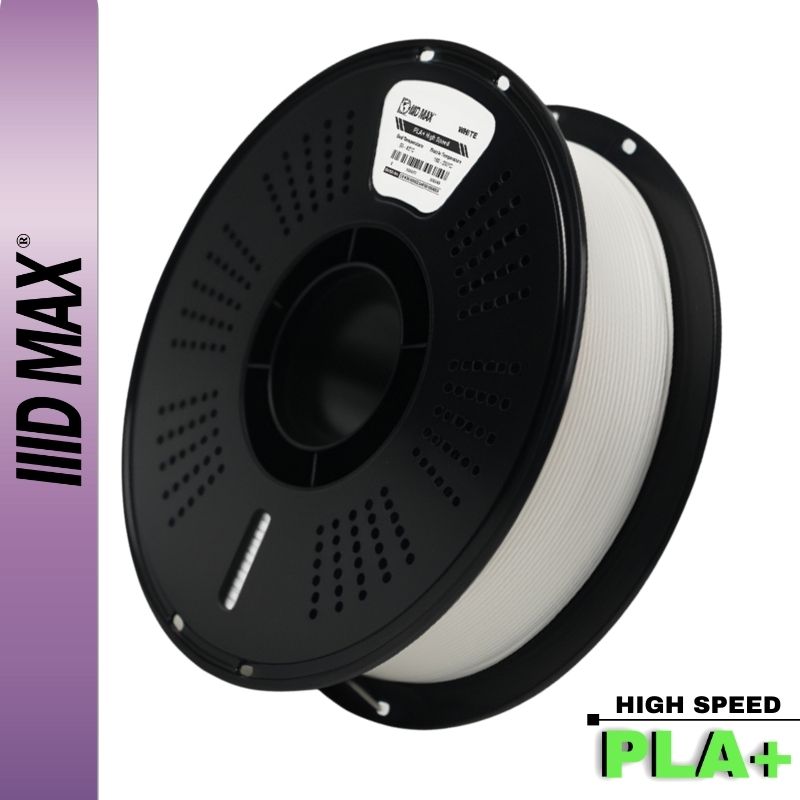
That shifts how you buy. Single spools work when a roll lasts a month. Once a long weekend eats two or three kilos, you end up one spool deep on a color when the job needs two. Buying in quantity solves the practical problem as much as the price per kilo: the color you need is already on the shelf when the plate is clear. Our PLA+ is the workhorse for this kind of printing, and the 30-pack mix-and-match bundle is the cleanest way to stock a shop about to start printing big.
What the community is saying
Reaction has been split, which is half the fun. On one side, plenty of makers are excited about a bigger, affordable A-series, a simple, consumer-friendly machine that finally prints large parts without breaking the bank, plus the novelty of built-in cutting and drawing.
On the other hand, skeptics are asking whether a large open-frame bedslinger makes sense at this size. Bigger beds mean more wobble to control, and an open frame limits the high-temp materials you can run well. It is a classic trade-off: size and price against the stability and material range of an enclosed printer.

The material problems that come with size
The skeptics have a point, and most of what they are pointing at is a materials problem more than a machine problem.
Warping over long spans. Every thermoplastic shrinks as it cools, and the shrinkage is a percentage of length. On a 40mm part it is invisible. On a 300mm part it becomes millimeters of pull at the corners, and you get a piece that lifts off the plate or cracks a layer partway up. An open frame makes it worse, because a draft on one side cools that side faster. Our guide to first layer adhesion and warping has the fixes.
First layer adhesion across a big footprint. A large flat part touches the plate everywhere, so a corner that sits slightly low or a fingerprint in the middle becomes a section that never bonds. Wash the plate rather than wiping it, run a full leveling mesh, and give big parts a brim.
Running out mid-print. Long jobs run through more than one spool, and the swap itself is a risk: a color that does not quite match, a spool that has been open and absorbing moisture, or a tangle in a badly wound roll, all at hour 25. Weigh the spool before you start and load a fresh one if the job needs more than what is left.
Spool weight and consistency. On a bedslinger the spool rides with the machine, so a heavy or unbalanced spool adds mass to a frame already throwing a large bed around at speed. Tight diameter control matters more here too: on a 40-hour part spanning three spools, every changeover is a place where a shift can show. Our filament holds +/- 0.03mm on 1.75mm and is made in our own plant.
Which materials suit large-format work
Match the material to the machine and most of the trouble above goes away.
PLA and PLA+ first. PLA shrinks the least of the common materials, which is exactly what a 300mm span needs, and it does not care about drafts the way hotter plastics do. Our HS PLA+ is built for high speed printing in the 200 to 300mm/s range, which covers most real work on a plate this size. The machine's headline speed number is a maximum the material does not need to match.
PETG with more care. Tougher and more heat-resistant, which matters for functional parts and anything that lives in a car or outdoors. It also shrinks more and is fussier about the first layer, so give it a clean plate, a brim on anything large and flat, and keep it dry.
ABS and ASA are the wrong tool here. They need a stable, warm chamber to avoid cracking, and an open frame this size cannot provide one. If you need that heat resistance, buy an enclosed machine.
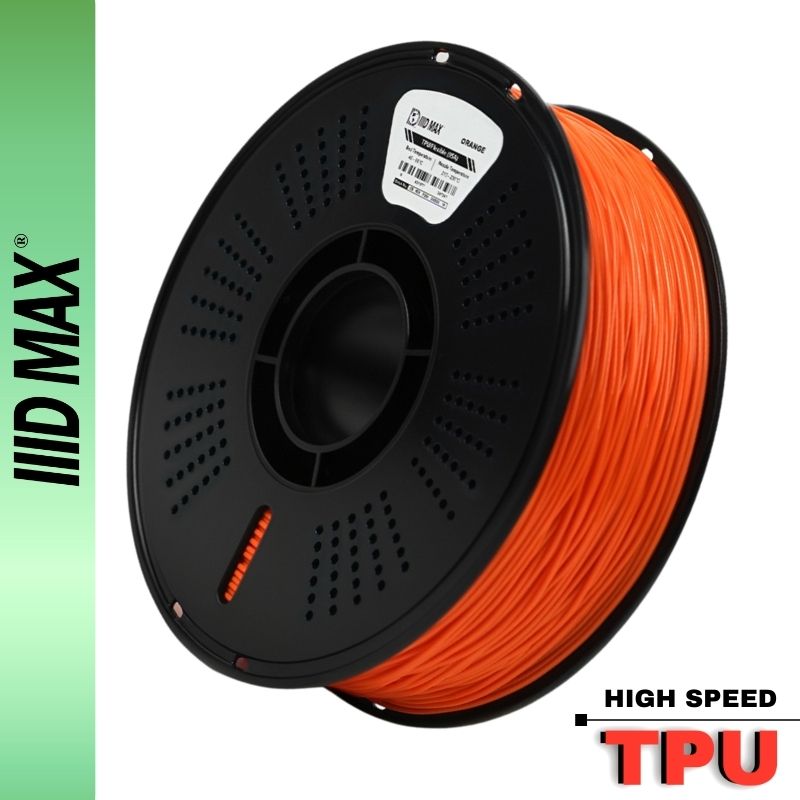
TPU is a maybe. A bedslinger's moving mass and long filament path make flexibles harder than on a direct-drive CoreXY. Doable at low speed, but the speed numbers will not apply.
So who is it for?
Buy the A2L if you want bigger prints on a budget, you mostly run PLA and PETG, and the cut-and-draw angle genuinely fits how you make things. Crafters, small shops, and hobbyists who would otherwise own a separate cutter get two machines for the price of one.
Look elsewhere if you need an enclosed chamber for ABS, ASA or nylon, or you want the absolute lowest-waste multicolor. Those are different machines for different jobs. (Not sure which material you even need? Start with our guide to printing stronger parts.)
For a just-launched machine at this price with a genuinely new trick, the A2L is one of the more interesting things Bambu has shipped in a while, and the big build plate is going to eat a lot of filament.
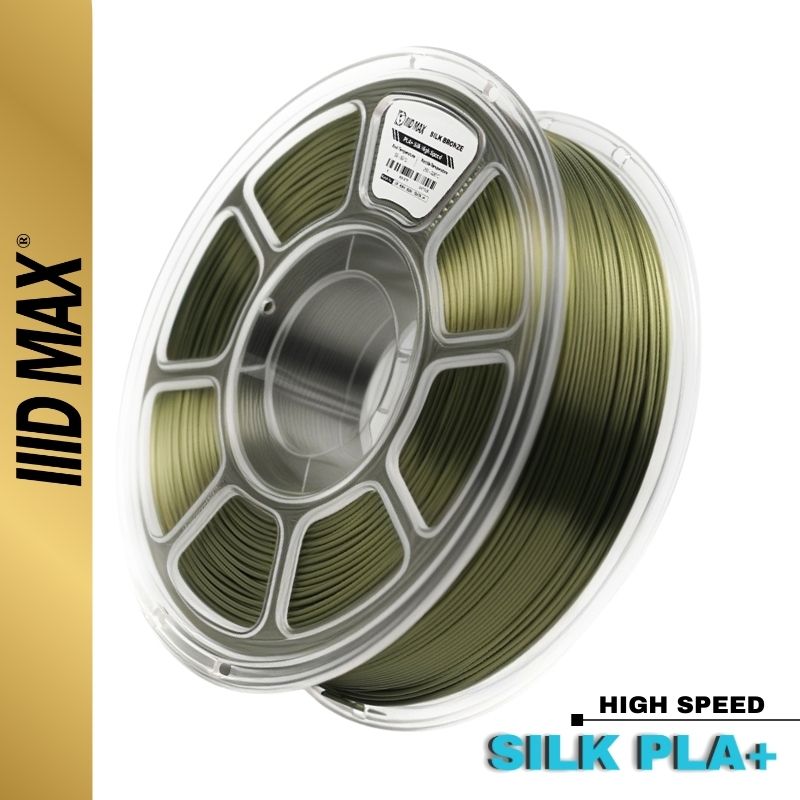
Feeding a big printer? A 330mm bed gets hungry fast. Stock up on our PLA+, PETG, and Silk PLA in 50+ colors, made in the USA and consistent spool to spool, or grab a 30-pack mix-and-match bundle so the color you need is already on the shelf when the plate comes off.


